Reflections – Attending my first international conference

I have always loved attending conferences because they provide opportunities to network with other scholars, publicise my research activities, as well as build my research profile. I have attended some conferences in the UK and when I got the email that my paper has been accepted for presentation at the American Marketing Association (AMA) Winter Education Conference, I was excited and started looking forward to it.

Attending an international conference requires good preparation. The conference organiser was very helpful with providing travel information, especially regarding obtaining a visa. All that was required by the American Embassy was my invitation letter in addition to a student confirmation letter from my University. I was amazed at how simple the process was.

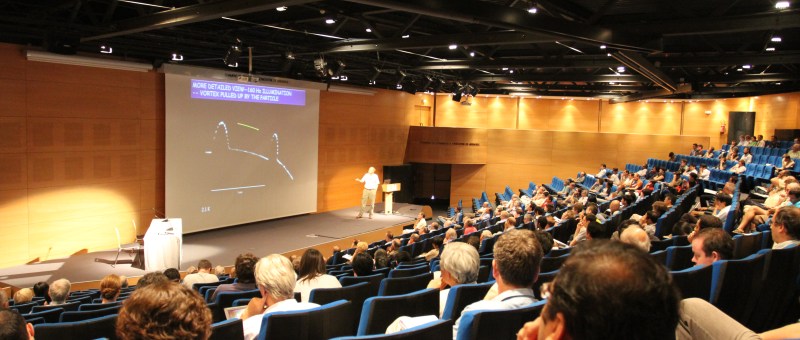
Before I knew it, I was off to San Antonio, Texas. The immigration officials seemed surprised that I was only visiting for a few days for a conference. The Conference had a very different atmosphere to conferences I had attended in the UK – this could be due to the fact that Americans were by far the biggest nationality present!

There are some things I found particularly interesting:

Early Riser – I am used to the first session of each day starting between 9:00 and 10:00 in the morning but sessions started as early as 8:00 am! Each day was fully packed with events but it was great to have the opportunity to explore different sessions and meet lots of people.

Networking – Though I was quite reserved in my networking approach, I used every opportunity to network. I chatted to people I sat with in sessions or met during lunch. In relaxed atmospheres, it is easier to start conversations and get to know people. Interestingly too, I was able to network with people I had met on Twitter before the conference.

The PhD Process: US vs. UK – I learnt about the differences between how PhDs are structured in the US and the UK. In the US, PhD candidates can spend at least 5 years working towards their PhD. A lot of work (and time) is spent grooming candidates for research and academia, which I find to be very different from how the PhD process occurs in the UK. There were also indications that a large proportion of American Marketing research is quantitative – developing and testing models – this means researchers heavily rely on statistical packages and tools. Candidates are taught to use these tools as an integral part of their PhD.

The Job market – I learnt that you can use ‘one stone to kill two birds’ while attending the AMA Conference.  Apart from presenting your research and networking, you could probably leave with a new job and start preparing for life as an Assistant Professor! This requires a lot of planning though as you would need to have applied long before the conference. The point to note however, is the fact that it has been incorporated into the conference. Universities know they can recruit at the conference and students are well prepared for the fact that they could be interviewed during the conference.

The Socials – Unfortunately, there was no social event as I would have expected. Typically, UK conferences are for three days; Wednesday to Friday; with socials being held on the penultimate night. Socials provide a good opportunity for conference delegates to ‘let their hair down’ and socialise in an informal atmosphere. I decided to entertain myself by visiting some key landmark sites in San Antonio.

Overall, it was a wonderful experience, I did enjoy myself, meet nice people and develop some productive relationships. Most importantly, it was a challenging, thought provoking opportunity to see how I could best improve myself, in terms of developing my research skills, publications and getting ready for the job market. I plan to attend the Summer AMA in 2016 as I will be more than ready to explore opportunities USA has got to offer.

Emmanuel Mogaji is a member of the Centre for Advances in Marketing, Business and Management Research Institute at the University of Bedfordshire Business School. His research interests are on the design and development of marketing communication for service providers, universities and charity organisations. He is currently working on his PhD, focusing on advertising strategies by UK financial service providers. He tweets @e_mogaji.

Please share your stories with us, we would love to hear from you. Contact us @ aspiringprofessionalshub@gmail.com or @AspProfHub

Your Job Search – Who you know matters but who knows you matters even more!

Looking for a job can be challenging and an arduous process. It is easy to feel discouraged when things are not working out but please hang in there! In today’s post,  Dr Genevieve Regan, Laboratory Coordinator at the University of the Sciences, Philadelphia,USA shares some strategies for job seekers focusing on the importance of networking.

I should start this with the disclaimer that ‘I am no expert in job searching, career planning, or ladder climbing.’ I am just a person who, after a year of serious searching, has successfully gotten a new position that is better than my previous position and will hopefully lead to better and better things. I can also say that prior to getting my new job,  those qualifications would be all I needed in an author because job searching is gruelling and having gotten a job means something went right for the writer so I would love to hear what they had to say.

In the last 4 months, I applied to 26 jobs, followed up on my application when I could, went to 4 interviews, and got 0 of the jobs I had applied for. My current job came from being in the right person’s mind when a good opportunity became available. Hence my title, “Who you know matters, and who knows you matters even more”.

There are three main points to my networking strategy that I think worked to my advantage. The first is to have a network. You have to think about who you know. I know I lamented, “But I don’t know anyone” but it wasn’t true. I had former classmates and professors, co-workers, and family.

The second point is to have real relationships with these people. I needed to know them but they also needed to know me. Don’t just cold call people and announce you need a job, connect with them. If they are doing the kind of work you are interested in, find out how they got there, find out what interests them about the work, and find out what you can do to help them. Let them know you are looking for work but don’t be demanding about it, give a good picture of your interests and what is going on with yourself. A good relationship needs sharing between both parties.

This leads to the last point; be memorable. People remember people who help them. It doesn’t have to be helping them out with big things, just be a friend or good colleague. Things like sharing an article you think they would like, volunteering to help out on a project or event, or being a sounding board when they need one all can help your relationships.The overriding theme to the strategy would be not to treat it like strategy.  Be the kind of person you would legitimately help to find a job and people will want to help you find a job. They will think of you when they hear of an opportunity the same way you might think of someone else you know when you hear of one. There is an added benefit to my non-strategy strategy. You are connecting with people, and that should be fun. Going for coffee, meeting up at a happy hour, having discussions about topics you both are interested in, these should be fun. In all the job search stress you need fun, so consider it to be part of the process.

If you find networking challenging, you are not alone. Please check out our articles on Networking here and here. If you would like to share an article in The Hub, feel free to contact us @ aspiringprofessionalshub@gmail.com. Follow us on Twitter @AspProfHub.

#MyPhDStory – Attending my first conference

QFS2010-photo-ENSS_2179Conferences provide a good opportunity for academics –early career researchers in particular – to present their work and develop valuable contacts in their field. Preparing for your first conference can seem daunting as you do not know what to expect, especially if you will be presenting! In today’s Reflections post, Nina, a research assistant at the University of the West of England, shares her experience of attending an international scientific conference for the first time.

A few weeks ago, I had the opportunity to present my first poster at the Koninklijke Nederlands Vereniging voor Microbiologie (KNVM) Microbiology Spring Meeting held in Arnhem, Netherlands.  I had never been to a conference before so I hope sharing my experience will help other conference newbies.


Day 1

Monday (AM)

So…I’m not a great sleeper but I woke up quite tired, probably because I was so excited about the trip. It was a short journey from Bristol to Amsterdam – only an hour on plane. When I got to Amsterdam, it took a little while to figure out how the public transport system worked to get to Arnhem. I managed to get on the right train, the right bus and even get off at the right stops. In the end, travelling was easy as everyone spoke English and I arrived in one piece although knowing basic Dutch may have been of some benefit but hindsight is a great thing. The double decker trains blew my mind!

Monday (PM)

The hotel was lovely and I caught up with my industry sponsors and had dinner. This provided a good opportunity to settle in before being swept the official start of the conference. I would highly recommend getting in a day early if you can.

Day 2

Tuesday (PM)

I didn’t sleep terribly well but I think I was just nervous. Breakfast was so good, I forgot about my nerves for a while. I arrived at the conference early to give me enough time to set up my poster. Seeing my poster amongst the others gave me an overwhelming sense of pride and achievement. All the time I spent working on it was so worth it. My sponsors introduced me to a few people after which I attended some plenary sessions. There were about 500 people in the audience and I felt honoured to be among them. I used lunch as an opportunity to mingle with the crowd which was a bit daunting at first as everyone around me was speaking Dutch! I overcame my nerves and introduced myself to people, thankfully, everyone spoke English.

Tuesday (PM) – Poster time

After a few breakout sessions, it was time for the official conference dinner. I was sitting alone at a table and just kept hoping someone would sit with me. Luckily, three lovely Dutch professors sat at my table and we have a very good conversation about our respective countries, academia and loads more. It was so good, I almost forgot that it was time for me to present my poster! In case you were wondering, yes, the poster was presented at night time – after drinks!

I went to stand by my poster and made eye contact with a gentleman whose poster was next to mine. He explained that he was also presenting for the first time and was nervous. It was nice to talk to someone on the same level as I was and this helped me relax. Most attendees just walked by, having had a quick scan, moving on before I could say anything to them. Eventually, one by one, a few people came to ask questions. The questions were not as difficult as I expected e.g. ‘What is your poster about?’, ‘Why is this relevant to us?’ etc. I felt I answered confidently and accurately, overall, it went very well.

Day 3 – Homeward bound

I slept much better as the nerves had finally gone. I attended the morning meetings in the most relaxed state I had been since Monday. Unfortunately, I had to miss the second part of the day’s programme to enable me catch my flight. Overall, it was a great experience and I wondered why I was so nervous in the first place!

I would not call myself an expert on attending conferences but these are a few things I learnt from my experience –

Just be brave and talk to people…it was hard for me at first but I found everyone I spoke to really friendly and engaging.

If presenting a poster, wear something smart but comfortable because you want to be as relaxed as you can be.

Take some work with you, you’ll be amazed how much work you can get done during the commute and with less distractions to boot!

Bring business cards. I didn’t have any but everyone else seemed to. A business card enables people remember you and projects professionalism. If you are going to spend all that time networking, it is important your new contacts can remember your name!

Pace yourself. It can be a long day, especially if you have late night presentations. Try to get settled in a day early to adjust to your new surroundings.

If abroad where English is not the first language, learn basic terminology (Hello, Please, Thank you); it just seems more polite.

Keep your poster, it’s a nice memento of the good work you have done. You can also find somewhere to put it up in your University.

A practical one for the ladies – do not pack new shoes or heels! You’ll be surprised how long you will be on your feet!

As a final thought, just remember that everyone was once in the same boat as you. There is nothing to be afraid of, if anything, this conference proved to me just how fun and relaxed it can be.

Thanks Nina. Please feel free to share your thoughts in the comments section. If you would like to share your experience(s) with us, contact us on aspiringprofessionalshub@gmail.com.

#CareerChat – 5 keys to effective networking

networkingPreviously, we wrote about taking the  first steps into networking and we received a lot of positive feedback making the second blog article on this theme even more challenging to write! If you have taken the baby steps, get ready, it’s time to run!

In the first article, we talked about five steps into networking. If you have read the first article and are now thinking about what you will do at your next event, read on.

Have a business card – We know what you are probably thinking… Why do I need a business card? Well, the person you meet at a conference or workshop needs to remember you.  You may have an awesome smile or an impressive handshake but your new contact needs to remember your name. A business card not only provides your contact details but projects professionalism.  We encourage final year undergraduate as well as postgraduate students to take business cards to networking events. Business  cards are relatively easy to design and will not break the bank. There are now free templates available online. Keep the design simple and be sure to include all your professional contact details.

Set yourself a target of cultivating at least one new relationship at every event you attend. 

Keep an open mind – The tendency to gravitate towards people who look, sound and act like you is natural. However, when you think about it, you have that in your everyday life already. The opportunity to engage with people of diverse backgrounds and disciplines is one that can enrich your experience in more ways than you can imagine. Regardless of what rung you are on your career ladder, there are people who are interested in engaging with you and would like to share their knowledge and expertise with you. Why not take the chance and move out of your comfort zone?

On a personal note, we have benefited from keeping an open mind and our individual and collective network comprises people we would have never crossed paths with. For example, we have international musicians (Like seriously), actors (oh yes!!), teachers, business owners, politicians and most importantly GREAT FRIENDS in our network. All of these relationships started with a ‘Hello, my name is…’ For postgraduate researchers, we advise attending networking events outside of your subject especially if you don’t want to stay in academia.

Stay focused – Previously, we mentioned the importance of being prepared before approaching potential contacts. The next thing to keep in mind is not to make a fool of yourself! Surprised? Well we’ll explain. Usually at events of a professional nature there are other competing activities such as FREE flowing wine or alcohol, canapés and without question, smart and gorgeous looking people ahem! ahem! Whilst all these things are part of the niceties of attending events, several people usually fall into this trap and get carried away. If you want to have a great, fun time at your event, great! But then it might be wise not to let people know who you are!

Knowing when to stop the waiter(s) pouring more and more wine into your glass might just be the personal attribute that will land you a job with a potential employer. Also, displaying chauvinistic, lecherous or any inappropriate behaviour is definitely not the type of impression you want to leave behind. To be honest, we have observed a lot of incidents before! The point to remember here is poor, loud and indiscreet behaviour is a sure recipe for NEGATIVE perception and often irreparable public image. Remember, we live in a world where poor or bad behaviour always gets greater publicity.

At professional events, what happens in Vegas may not stay in Vegas! Stay focused.

When it doesn’t go well  – Sometimes in the process of making or engaging with a contact, you might get the cold shoulder or an unfavourable response. We have all been there. Sometimes when it happens it can be a little embarrassing but hey, nothing good comes easy right? It’s like the toss of a coin, you’ll either get heads or tails and unless you are a sorcerer you cannot predict the outcome. That goes for networking too. You cannot predict the outcome before you start speaking to a stranger at an event but you will surely learn from the experience. We have many personal experiences where we have been rebuffed, given the cold shoulder and all sorts (you can contact us for these stories if you want at a price….just kidding)! At the same time, we have had the best and some of the greatest people in our world, connect with us. So remember, whatever happens, don’t give up, and keep at it.

Follow up – A senior colleague suggests to always ask if you can contact the individuals you meet at these events at a later date when speaking to them. More than anything else always make a point to re-engage with your contacts after the events – which is the purpose of networking. You have already made the effort to speak to the individuals in the first instance, why not take the extra step to develop a productive relationship. Many of the people you might speak to at these events have been where you are now and understand what it takes to get to where you need to be. It does not have to be anything over-elaborate in your contact email. A simple “Hello, it was nice to meet you at…..” can go a long way in changing your career and your future.

As a matter of fact, this blog is a product of networking at a microbiology research conference in Manchester six years ago which shows what you can achieve when you take that bold step….So, hopefully you are ready to build your network and again you are welcome to connect with us on LinkedIn and Twitter as we are always happy to engage with you.

If you enjoyed reading this article, please share and subscribe to our network! If you have an article you would like to share with our readers, please get in touch – info@aspiringprofessionalshub.com.

#CareerChat – New to networking? Start with these baby steps

9. NetworkingAre you one of those people that can walk into a busy room and leave an hour later, having spoken to people you’ve never met before and made new valuable contacts? To you, our old pros at networking, we say well done and feel free to look away at this point and check out our other articles. To many aspiring professionals we have encountered, networking can often be a painful, daunting and scary experience and tends to be something they’d rather avoid doing. 

In today’s connected world, networking, be it face to face or online has become hugely important. Whilst many ideas or definitions of networking exist, we have identified one which is perfect for networking beginners

‘Networking is the cultivation of productive relationships for employment or business.’

Merriam-Webster dictionary

You might be a recent graduate looking for a job, an early career scientist looking for a solution to an experiment you have been struggling with or a budding poet or writer looking to get your work published or you might simply be in a new city and need to interact with like-minded people. If so and for so many other reasons, then you will benefit from networking. Honestly in our opinion, every aspiring professional benefits from networking.

In this article, we will focus on five baby steps into the world of networking and in the follow up article (Part II) we will provide tips to make your networking experience more effective and even enjoyable.

So, where to begin????

Location, location, location – Realising where to network can ensure you recognise opportunities to network that are not seemingly obvious. Conferences and meetings are very good venues for networking but they are by no means the only places where you can network. Networking is about cultivating relationships. In your current place of employment, how many productive relationships have you developed in the last week…month…year?

Think about networking events as a marketplace. People rarely go to the market empty handed, its all about exchange – give and take. 

There is no perfect place to network. For students, interacting with other students at college or university, engaging with tutors,  joining societies or doing a sport can be good places to start. For researchers, businesses or other professionals; attending networking events, themed seminars, workshops, exhibitions, trade shows and conferences are key areas for developing and building networks. For students and professionals alike, creating profiles on social networking sites such as LinkedIn, Twitter, Facebook, ResearchGate, Mendeley and Facebook provides limitless opportunities for networking on a global scale. Social networking can also support advertising for your goods and services if you run a business.

If you will be going to a networking event or a conference sometime in the near future, why not task yourself to make at least one new meaningful professional contact? Come on, you can do it!

Be Prepared – In most cases, a list of names and organisation represented or the people/delegates who will attend the event is published beforehand and included in your delegate pack/meeting information. Take a few minutes and look at the list and identify any individuals of interest, who cultivating a relationship with may be beneficial to you in whatever capacity. It always looks good when you approach someone and you know something about them, things like, where they are from or what they do as it serves as an ice-breaker for conversation. It is also important that you see the relationship you would like to develop as a symbiotic one, where both parties benefit. Networking is about what you can do for someone else as much as what they can do for you.

Think about networking events as a marketplace. People rarely go to the market empty handed, its all about exchange – give and take. 

Start small – If you consider yourself a beginner or newbie to networking then it is best to start small i.e. grow into it as it is not about the number of people you speak to or make contact with but whether the contact translates into a positive outcome. Networking is not a competition or a ‘notice me’ venture. If you are able to make one useful contact from a meeting with a 1,000 delegates, still count it as success. We get better by doing, so set yourself a goal before you set out!

But I am not a natural – Some of us have laid back, reserved or quiet personalities which makes us hesitant in approaching people to speak to them at events. Whilst as a long term objective we would advise to look for ways to grow in confidence in speaking to people and speaking publicly, as a starting point, it also helps to ask someone you already know to introduce you to the person you would like to speak to.  If you do not know anyone else at the event, perhaps speak to the event organisers and ask if they can connect you with the lady or gentleman you want to network with and more often than not, they’ll be happy to do so! We would recommend the book, ‘The fine art of small talk‘ by Debra Fine to start working on developing your confidence. In our experience, most people are usually happy to talk at events so why not take a plunge. What’s the worst that could happen?

Gone in 30 Seconds – Once you get the chance to interact with your contact or the person(s) you have identified, remember, they do not have all the time in the world to speak to you.  Be clear, concise, friendly and engaging. Offer them a firm handshake, make eye contact and remember the first few seconds do really matter. We call it Gone in 30 seconds because first impressions do matter and failure to make the right impression would ensure your contact leaves you flat footed in their wake.

Therefore, use the first few seconds wisely but before you approach your contact, “think about what you want from the contact AND also what you have to offer

Get started with building your online professional profile, think about your skills and abilities and look for events and conferences where you can find like-minded people. In the follow up article, we will offer tips to ensure you have an enjoyable and worthwhile networking experience.

If you enjoyed reading this article, please share and subscribe to our network! If you have an article you would like to share with our readers, please get in touch – info@aspiringprofessionalshub.com.